Roundup review
Finding a face mask that calms acne without causing further irritation can feel overwhelming. To bring clarity to your routine, we researched and analyzed over 30 popular and dermatologist-recommended formulas. Based on ingredient efficacy, formulation gentleness, and consistent user feedback, we found that the Verdant Rituals Clarifying Clay Mask is the best choice for most people seeking to soothe and manage breakouts effectively.
Quick Comparison
Verdant Rituals
- Balances clarifying and soothing
- Great for combination skin
- Non-drying clay formula
Bare Blooms
- Exceptionally gentle cream base
- Calms redness and irritation
- Fragrance-free
Carbon Theory
- Powerful oil absorption
- Visibly refines pores
- Contains charcoal and sulfur
Evercalm
- Affordable and effective
- Simple BHA and clay formula
- Great for weekly maintenance
Aqua Dew
- Soothes dehydrated, acneic skin
- Cooling gel texture
- Plumps without clogging pores
The Best Face Masks for Acne
- Verdant Rituals Clarifying Clay Mask - Best overall
- Bare Blooms Oat & Calendula Soothe Mask - Best for sensitive skin
- Carbon Theory Deep Pore Detox Mask - Best for oily skin
- Evercalm BHA & Green Tea Purifying Mask - Best budget
- Aqua Dew Hydro-Calm Gel Mask - Best for hydration
Verdant Rituals Clarifying Clay Mask
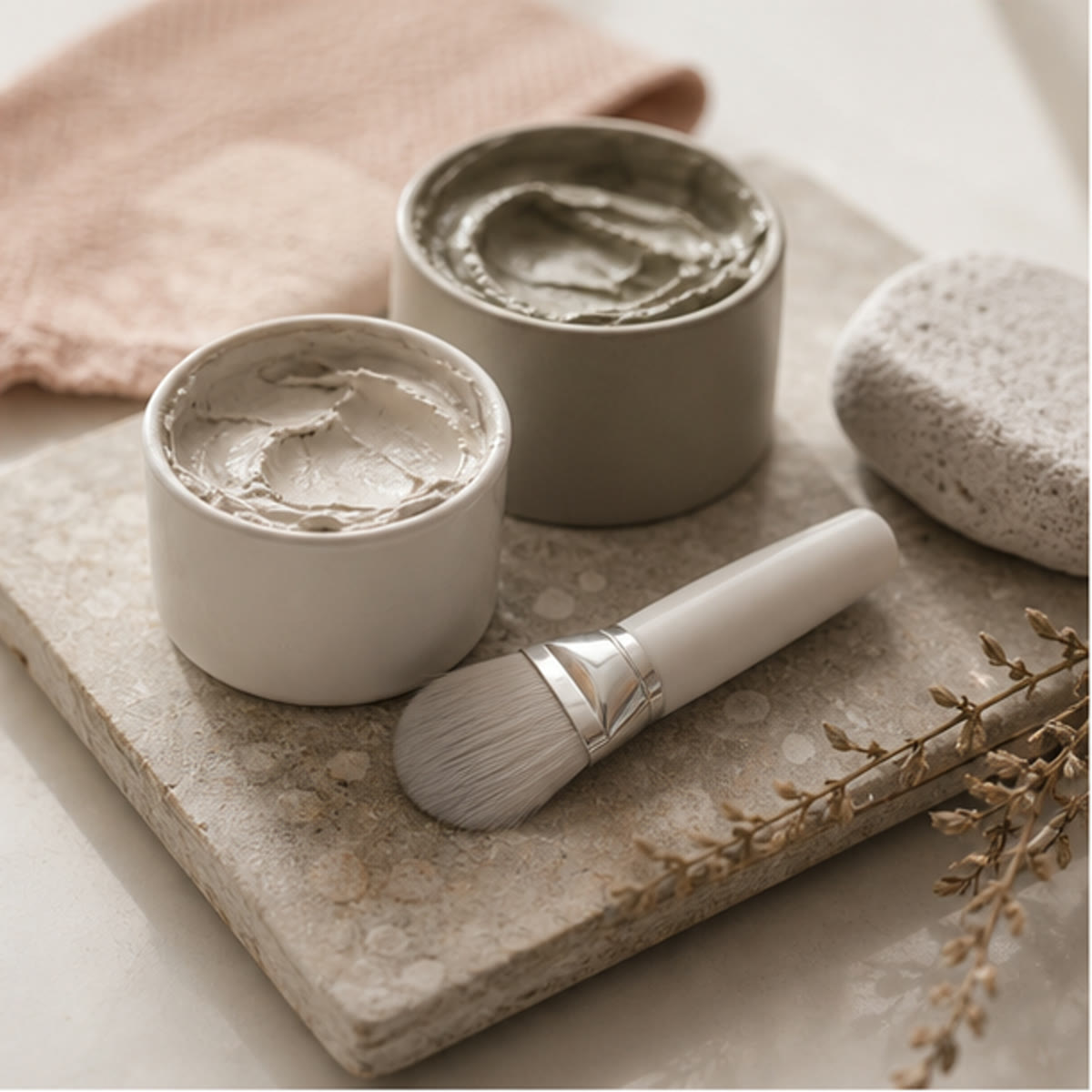
This mask is our top choice because it strikes a beautiful balance between effectiveness and gentleness. It uses a blend of kaolin and bentonite clays to draw out impurities and excess oil, but it’s the supporting ingredients that make it special. Salicylic acid (BHA) works within the pores to dissolve congestion, while niacinamide and centella asiatica calm the redness and irritation that often accompany breakouts. Unlike many clay masks that leave skin feeling tight and stripped, this one rinses away to reveal a complexion that feels clean, soft, and visibly calmer. It’s a thoughtful, well-rounded formula that addresses acne from multiple angles, making it a reliable addition to a mindful skincare routine.
Pros
- Effectively clears pores without over-drying
- Contains niacinamide to reduce redness
- Smooth, creamy texture is easy to apply
- Suitable for most acne-prone skin types, including combination
Cons
- Higher price point than drugstore options
- May not be strong enough for severe, cystic acne
Bare Blooms Oat & Calendula Soothe Mask
For those whose skin reacts to almost everything, the Bare Blooms Soothe Mask is a true sanctuary. It’s formulated specifically for skin that is both acne-prone and highly sensitive or compromised. Instead of harsh clays or strong acids, it uses colloidal oatmeal and calendula extract to gently reduce inflammation and redness. A cushiony cream base with hyaluronic acid and glycerin provides comfort and hydration, helping to support the skin barrier. While it won't dramatically clear severe congestion overnight, it’s an excellent choice for managing the irritation of inflammatory acne and preventing the dryness that can lead to more breakouts. Think of it less as a "treatment" and more as a comforting ritual to restore peace to your skin.
Pros
- Exceptionally gentle and calming
- Visibly reduces redness and soothes irritation
- Fragrance-free and free of common irritants
- Creamy texture that doesn't dry down
Cons
- Not a potent pore-clearing treatment
- May feel too rich for very oily skin types
Carbon Theory Deep Pore Detox Mask
When excess oil and stubborn blackheads are your main concerns, you need a mask with serious purifying power. The Carbon Theory mask delivers just that. It combines activated charcoal with bentonite clay and a touch of sulfur to act like a magnet for oil, dirt, and debris lodged deep within pores. This is a potent, fast-acting treatment that leaves skin feeling deeply cleansed and looking more matte and refined. While it's too intense for dry or sensitive types, it's a game-changer for those with resilient, oily skin who feel like other masks don't go far enough. Use it once a week to reset your complexion and keep shine under control.
Pros
- Excellent at absorbing excess oil and sebum
- Makes pores appear smaller and more refined
- Contains sulfur, known for its anti-acne properties
- Dries down quickly for a fast treatment
Cons
- Can be very drying if used too often or on dry areas
- Distinct sulfur scent may be off-putting to some
- Not suitable for sensitive or dry skin
Evercalm BHA & Green Tea Purifying Mask
A consistent routine is key for managing acne, and the Evercalm mask proves you don’t need to spend a fortune to get great results. This no-frills formula focuses on proven, effective ingredients without the high price tag. It uses a base of kaolin clay to absorb oil, 2% salicylic acid to clear out pores, and green tea extract to provide antioxidant and soothing benefits. It's a straightforward, reliable workhorse mask. While it lacks the elegant texture or complex botanical blends of more expensive options, it does its job well, helping to keep pores clear and breakouts at bay with regular use. It's the perfect choice for anyone wanting to add an effective acne mask to their weekly routine without a big financial commitment.
Pros
- Very affordable and widely accessible
- Effective concentration of salicylic acid (2%)
- Simple, uncluttered ingredient list
- Great for weekly maintenance of mild to moderate acne
Cons
- Basic formula lacks advanced soothing ingredients
- Can feel slightly drying compared to premium masks
- Packaging feels less luxe
Aqua Dew Hydro-Calm Gel Mask
It's a common misconception that acne-prone skin needs to be dried out. In reality, dehydrated skin can overproduce oil and worsen breakouts. The Aqua Dew mask is designed for this exact scenario. Its refreshing gel texture floods the skin with non-comedogenic hydrators like hyaluronic acid, glycerin, and aloe vera, while green tea and licorice root extracts work to calm inflammation. This mask won't deep-clean your pores like a clay mask, but it masterfully soothes the tight, irritated feeling that can come from using active acne treatments. It’s an ideal choice for use on alternate nights from your exfoliating mask, or for anyone whose skin is both broken out and thirsty. It leaves skin feeling plump, calm, and comfortably hydrated.
Pros
- Provides intense, oil-free hydration
- Cools and calms red, irritated skin on contact
- Lightweight gel texture feels refreshing
- Helps balance skin that's been dried out by acne treatments
Cons
- Not designed to clear blackheads or deep congestion
- May not feel substantial enough for very dry skin types
Buying Guide: How to Choose a Face Mask for Acne
Choosing the right face mask is a personal journey that depends on your specific skin needs. A mask can be a wonderful weekly ritual to support your daily routine, but the wrong one can cause more harm than good. Here’s a gentle guide to help you make a mindful choice.
Identify Your Skin's Main Concern
First, take a moment to connect with your skin. What is it asking for today? While the common concern is "acne," this can show up in different ways.
- Oily and Congested: If you struggle with excess shine, blackheads, and clogged pores, look for masks with ingredients like clay (kaolin, bentonite) and charcoal. These are excellent at absorbing oil and drawing impurities to the surface.
- Red and Inflamed: For painful, red pimples (pustules), focus on calming and anti-inflammatory ingredients. Look for niacinamide, centella asiatica (cica), green tea, sulfur, or gentle formulas like our sensitive skin pick with colloidal oatmeal.
- Dehydrated and Breaking Out: If your skin feels tight and looks dull, but you still get breakouts, it may be dehydrated. Harsh treatments can strip the skin, compromising its barrier. Prioritize hydrating masks with hyaluronic acid, glycerin, and aloe vera to restore balance.
Key Ingredients to Look For
Understanding ingredients empowers you to choose what's best for your unique skin.
- Salicylic Acid (BHA): A true hero for acne. It's oil-soluble, meaning it can get inside the pore lining to exfoliate and dissolve the mixture of oil and dead skin cells that causes clogs.
- Clays (Kaolin & Bentonite): These natural minerals are highly absorbent. Kaolin is gentler and suitable for most skin types, while bentonite is more powerful and best for very oily skin.
- Sulfur: An age-old remedy that has natural anti-inflammatory and antibacterial properties. It's particularly effective for calming red, angry pimples, but it does have a distinct scent.
- Niacinamide (Vitamin B3): A multi-tasking wonder. It helps regulate oil production, reduces inflammation and redness, and supports a healthy skin barrier.
- Soothing Botanicals: Ingredients like green tea, centella asiatica, calendula, and licorice root provide antioxidant benefits and help calm irritation.
How to Incorporate a Mask into Your Routine
Consistency and gentleness are more important than intensity. Start by using a new mask just once a week to see how your skin responds. Always apply it to clean, dry skin after your cleansing step. Follow the instructions for timing—leaving a clay mask on for too long can be irritating and drying. After rinsing, always follow up with your favorite hydrating serum and moisturizer to lock in benefits and protect your skin barrier. And most importantly, always perform a patch test on a small area of your skin before applying a new product to your entire face.
Final Verdict: Best Face Masks For Acne
After careful consideration of ingredients, formulation, and purpose, the Verdant Rituals Clarifying Clay Mask stands out as the best face mask for most people dealing with acne. Its intelligent formula effectively purifies pores with clay and salicylic acid while simultaneously calming the skin with niacinamide and centella asiatica. It provides visible results without the harsh, stripping feeling of many traditional acne masks, making it a reliable and pleasant part of a weekly skincare ritual.
If your skin is particularly sensitive or reactive, we wholeheartedly recommend the gentle, comforting properties of the Bare Blooms Oat & Calendula Soothe Mask as a beautiful alternative to bring peace to your complexion.
Best Face Masks For Acne 2026 FAQ
How often should I use a face mask for acne?
For most purifying or exfoliating masks (like those with clay or acids), starting with once a week is a great approach. If your skin tolerates it well, you might increase to twice a week. Over-using these masks can strip your skin's natural oils and damage its protective barrier, potentially leading to more irritation and breakouts. Hydrating or calming masks can often be used more frequently, even 2-3 times a week, as needed.
Can a face mask make my acne worse?
It's possible. There are two main reasons this might happen. The first is irritation from an ingredient that doesn't agree with your skin, which can cause new breakouts. The second is a phenomenon called "purging," where an active ingredient like salicylic acid speeds up cell turnover, bringing underlying clogs to the surface more quickly. Purging typically occurs in areas where you already break out and should resolve within a few weeks. If you experience breakouts in new areas, or if the irritation persists, it's best to discontinue use.
Should I apply a face mask before or after cleansing?
Always apply a face mask after cleansing. You want to start with a clean canvas so the mask's ingredients can penetrate effectively without a barrier of dirt, oil, or makeup. A typical routine would be: cleanse, gently pat skin dry, apply the mask, rinse, and then follow with the rest of your routine (toner, serum, moisturizer).
What should I do after using a face mask for acne?
After rinsing off your mask, it's crucial to replenish your skin's moisture and protect its barrier, especially after using a clay or acid-based mask. Immediately follow up with a gentle, hydrating toner or essence, a targeted serum (if you use one), and a non-comedogenic moisturizer. This helps to lock in hydration, soothe the skin, and seal in the benefits of the mask.