
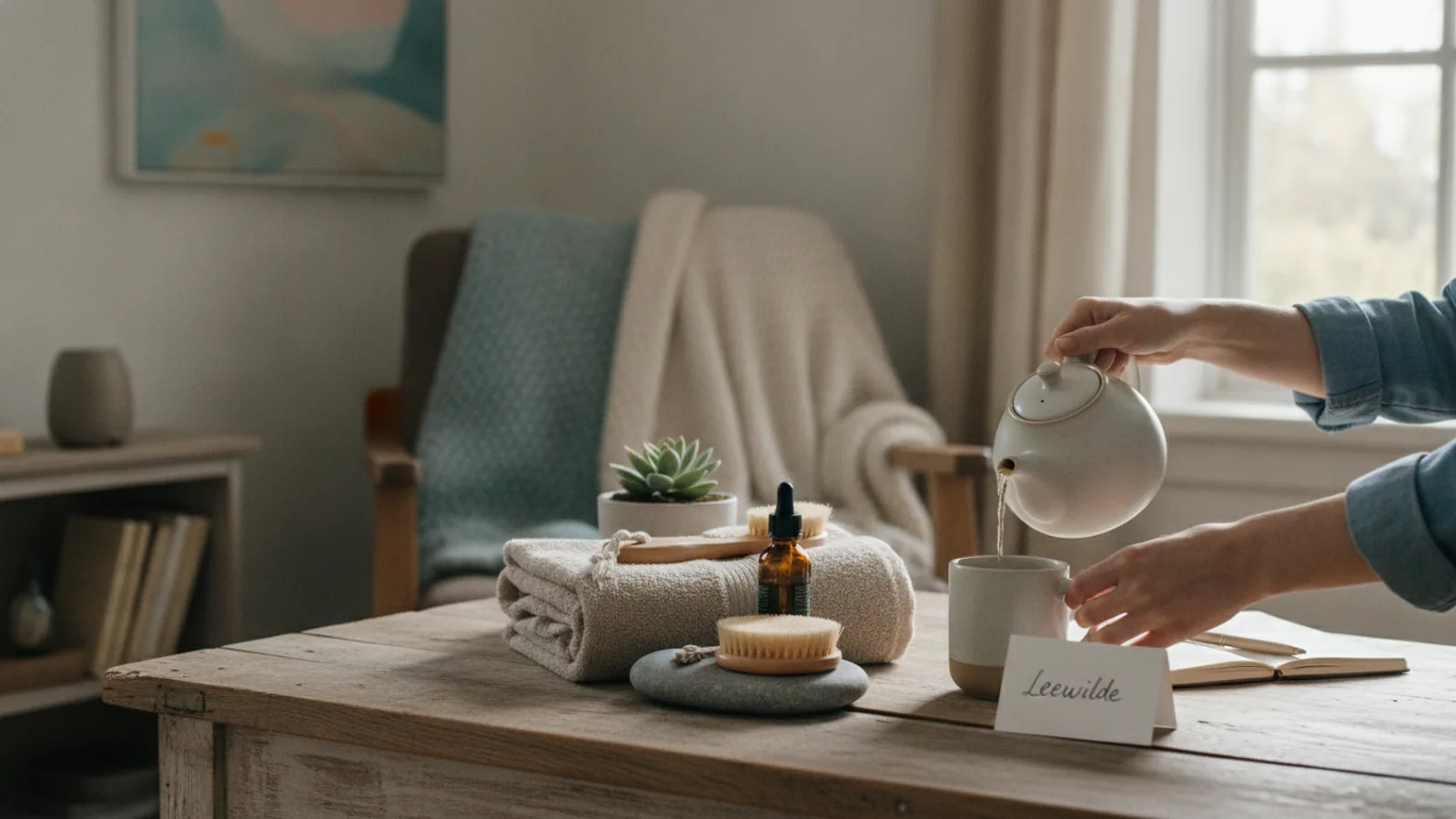
How To Create A Self Care Routine
Creating a self-care routine is a personal journey to support your well-being. This guide helps you build a simple, sustainable practice that fits your life, no matter how busy you are. We'll walk you through identifying your needs, choosing activities you love, and gently weaving them into your daily schedule. Think of it as a kind way to check in with yourself and give your body and mind what they need to feel good.
Fast Answer
- Identify Needs: Assess what you need most—rest, movement, connection, or quiet.
- Choose Activities: Pick simple, enjoyable activities that fit those needs.
- Schedule It: Start small by adding one or two activities to your weekly calendar.
- Be Flexible: Adjust your routine as your needs change. It's about support, not stress.
Before You Start
- A notebook and pen, or a notes app, for reflection and brainstorming.
- About 30 minutes of uninterrupted quiet time to plan your initial routine.
- Access to your daily or weekly calendar to schedule your practices.
- An open and curious mindset, free from judgment about what you "should" be doing.
Step-by-Step Instructions
Reflect on Your Current Needs
Before you can build a routine, you need to know what you're building it for. A self-care routine is most effective when it responds directly to your personal needs. Set aside a few quiet moments to check in with yourself. Think of this as a gentle inventory, not a test.
Grab your notebook and consider these different areas of your life. You can write down your answers or just think them through.
- Physical: How does my body feel? Am I tired, stiff, or energetic? Am I getting enough sleep, water, and nourishing food?
- Mental: Is my mind racing or calm? Do I feel mentally cluttered or clear? Am I craving learning and creativity, or do I need a break from thinking?
- Emotional: What feelings are present for me today? Am I feeling content, stressed, lonely, or joyful? What emotions could use a little more space and attention?
- Social: Do I feel connected to others? Am I craving company or solitude?
Don't judge your answers. The goal is simply to notice what’s true for you right now. This reflection will be your guide for choosing activities that will actually make a difference.
Brainstorm a Menu of Self-Care Activities
Now that you have a better sense of your needs, you can brainstorm activities that might meet them. The key here is to think of this as a flexible "menu" of options, not a rigid to-do list. This approach gives you the freedom to choose what feels right on any given day.
In your notebook, create different categories based on time commitment or type of activity. This makes it easier to find something that fits the moment.
- 5-Minute Resets: Simple things you can do anytime, anywhere. Examples: stepping outside for fresh air, doing a few deep belly breaths, stretching your neck and shoulders, listening to one favorite song.
- 15-30 Minute Practices: Activities that require a bit more time. Examples: reading a chapter of a book, taking a short walk, journaling, preparing a cup of tea and enjoying it without distractions.
- Longer Restorations (1 hour+): Things you might do weekly. Examples: taking a long bath, spending time on a hobby, having a long phone call with a friend, cooking a special meal.
- Social and Connection: Activities that involve others. Examples: scheduling a coffee date, calling a family member, playing a game with your kids or partner.
Focus on things you genuinely enjoy or are curious to try. Your self-care routine should be something you look forward to, not another chore to check off your list.
Choose a Few Small, Realistic Activities to Start
The biggest mistake people make when starting a self-care routine is trying to do too much, too soon. This can lead to feeling overwhelmed and giving up. Instead, the secret to success is to start incredibly small.
Look at your menu of activities and choose just one or two to focus on for the first week. Pick things that feel easy, accessible, and require very little willpower to get started. For example, you might choose "stretching for 5 minutes after waking up" and "reading for 10 minutes before bed."
Choosing small, manageable actions builds confidence and momentum. Once these tiny habits feel automatic, you can gradually add more if you wish. The goal is to create a sustainable practice that fits seamlessly into your life, not to overhaul your entire schedule overnight.
Schedule Your Self-Care Time
To make your self-care a priority, you need to give it a specific time and place in your schedule. If you just hope you’ll "find time" for it, other urgent tasks will almost always take over. Treating it like an important appointment makes it much more likely to happen.
Open your calendar and block out time for the one or two activities you chose. Be specific. Instead of a vague "do self-care," write "10-minute walk at 12:30 PM" or "Journal from 9:00 PM to 9:10 PM."
Another helpful technique is called habit stacking. This means linking your new self-care habit to something you already do automatically. For example:
- "After I brush my teeth in the morning, I will do 5 minutes of stretching."
- "After I finish washing the dinner dishes, I will make a cup of herbal tea."
This anchors the new behavior to an established one, making it easier to remember and stick with.
Create a Supportive Environment
You can make your new habits much easier to follow by designing your environment for success. Think about how you can reduce friction and add gentle cues that remind you to take care of yourself. This is about working with your brain's natural tendencies, not against them.
Here are some ideas:
- For a reading habit: Leave a book on your pillow or your nightstand so it's the first thing you see when you get into bed.
- For a hydration goal: Fill a water bottle and place it on your desk or counter in the morning.
- For a morning stretch routine: Lay your yoga mat out the night before.
- For a moment of calm: Create a small, cozy corner in your home with a comfortable chair, a soft blanket, and good lighting.
By preparing your space, you send a clear signal to yourself that your well-being matters. It removes small obstacles that might otherwise get in the way.
Practice and Be Patient With Yourself
Building a new routine takes time and practice. There will be days when you follow your plan perfectly, and there will be days when you don't. That is completely normal and okay. The goal is consistency, not perfection.
If you miss a day, don't let it derail you. Avoid falling into an all-or-nothing mindset. Simply notice that you missed it without judgment and gently return to your routine the next day. Every moment is a new opportunity to begin again.
Remember, a self-care routine is meant to reduce stress, not add to it. Treat yourself with the same kindness and compassion you would offer a friend who is learning something new. Celebrate the small wins, like remembering to take a few deep breaths during a busy day.
Review and Adjust Your Routine Regularly
Your needs are not static; they change from day to day, week to week, and season to season. A self-care routine that felt perfect last month might not serve you today. That's why it's essential to check in with your routine regularly and make adjustments as needed.
Set a recurring reminder in your calendar—perhaps for the first Sunday of every month—to spend 10 minutes reviewing your practice. Ask yourself these questions:
- What parts of my routine are working well? What feels good?
- Are there any activities that have started to feel like a chore?
- What are my current needs, and how has my life changed recently?
- Is there anything new I'd like to try or something I'd like to let go of?
This regular review process keeps your routine alive, relevant, and genuinely supportive of who you are right now. It transforms your self-care from a rigid set of rules into a responsive, compassionate conversation with yourself.
Quick Reference
| Situation | Try this | Why |
|---|---|---|
| Feeling overwhelmed or anxious | Place a hand on your heart and take 5 slow breaths | This simple action activates your body's relaxation response and calms your nervous system. |
| Feeling sluggish and unmotivated | A 10-minute walk outside, without your phone | Movement boosts circulation and energy, while natural light can improve your mood. |
| Feeling lonely or disconnected | Send a thoughtful text to a friend you miss | A small, intentional act of connection can remind you that you're not alone. |
| Feeling creatively stuck or bored | Listen to an album you loved in high school | Music engages different parts of your brain and can help you access new ideas and feelings. |
| Feeling mentally cluttered | Write down everything on your mind for 5 minutes | Getting thoughts out of your head and onto paper can create a sense of clarity and relief. |
Common Problems When You Create a Self Care Routine
Even with the best intentions, you might run into a few common hurdles. Here’s how to navigate them with grace.
Problem: "I feel like I don't have any time."
The Fix: Redefine your idea of time. Self-care doesn't have to be a one-hour yoga class. It can be one minute of deep breathing while you wait for your coffee to brew. It can be three minutes of stretching before you get out of bed. Start with these "micro-habits" to prove to yourself that you can fit it in. These small moments add up and are far better than doing nothing at all.
Problem: "I feel guilty for taking time for myself."
The Fix: This is incredibly common, especially for caregivers. Reframe this thinking. Self-care isn't selfish; it's essential maintenance. You cannot pour from an empty cup. By replenishing your own energy, you are better equipped to show up for the people and responsibilities in your life. Start by communicating your needs clearly, e.g., "I'm going to read for 15 minutes. It helps me feel more patient and calm."
Problem: "My self-care activities feel like another chore."
The Fix: If an activity feels like a burden, it's not the right self-care for you right now. Ditch it without guilt! Go back to your "menu" and pick something that sounds genuinely appealing and easy. Maybe you thought you "should" meditate, but what you really crave is dancing in your kitchen. Self-care should feel restorative, not forced.
Problem: "I'm not seeing immediate results and I feel discouraged."
The Fix: Unlike a painkiller, the effects of self-care are often subtle and cumulative. It’s a long-term practice, not a quick fix. Try to notice the small shifts. Did you feel 5% less tense after your walk? Did you fall asleep a little easier after reading? Acknowledge these small wins. A journal can be helpful for tracking these gentle improvements over time.
Advanced Tips for How To Create a Self Care Routine
Once you've established a basic routine, you can explore deeper, more personalized layers of self-care.
Create Seasonal Routines
Your energy and needs often shift with the seasons. Instead of fighting this, lean into it. A winter routine might be more introspective and cozy, filled with reading, warm baths, and nourishing soups. A summer routine might be more active and social, with outdoor walks, gardening, and time with friends. Acknowledging these natural cycles makes your practice feel more intuitive and less rigid.
Align with Your Personal Rhythms
Pay attention to your own unique energy patterns. Are you a morning person or a night owl? Schedule more demanding self-care (like exercise) for when you have the most energy, and gentle activities (like journaling) for when you're winding down. For those who menstruate, learning to tailor self-care to the different phases of your cycle can be transformative—allowing for more rest during your period and more activity during ovulation, for example.
Practice the Art of "Doing Nothing"
In a world that prizes productivity, one of the most radical self-care acts is to intentionally do nothing. This isn't scrolling on your phone or watching TV. It's scheduling 10 minutes to simply sit, look out the window, and let your mind wander without a goal. This practice helps calm an overstimulated nervous system and creates space for new insights to emerge.
Layer Your Senses
Make your self-care practices more immersive and effective by engaging multiple senses. If you're taking a bath, don't just sit in hot water. Dim the lights, light a candle with a calming scent, and put on a peaceful playlist. If you're enjoying a cup of tea, notice the warmth of the mug, the smell of the steam, and the taste of each sip. This mindful approach can turn a simple activity into a deeply restorative experience.
How To Create A Self Care Routine FAQ
What's the difference between self-care and self-soothing?
This is a great question. Self-care generally refers to foundational habits that support your long-term well-being (like getting enough sleep, moving your body, and eating nourishing food). Self-soothing refers to actions you take in a moment of distress to find immediate comfort (like watching a favorite movie when you're sad or wrapping yourself in a cozy blanket when you're anxious). Both are important tools for a balanced life.
How much should a self-care routine cost?
A self-care routine can, and often should, cost absolutely nothing. The wellness industry often markets expensive products and services, but some of the most powerful self-care practices are completely free. This includes things like mindful breathing, walking in nature, journaling, connecting with loved ones, stretching, and getting adequate sleep. Don't let a budget be a barrier to caring for yourself.
Is exercise considered self-care?
It absolutely can be, but the intention matters most. If you are moving your body in a way that feels good to celebrate its strength and reduce stress, that is wonderful self-care. If exercise comes from a place of punishment, pressure, or a need to change your body to be worthy, it might not be serving you in a caring way. The "why" behind the action is what defines it as care.
What if I live with other people and have no privacy?
This is a real challenge. The key is to find small pockets of time and space. This might look like waking up 15 minutes before everyone else for a quiet cup of tea. It could be taking 5 minutes to sit in your parked car and listen to music before going inside. Using headphones to listen to a podcast or calming sounds can create a private world, even in a busy house. It’s about claiming small moments that are just for you.
Final Checklist for How To Create a Self Care Routine
- Assess Your Needs: Have I checked in with my body, mind, and emotions?
- Create Your Menu: Do I have a list of enjoyable, accessible activities to choose from?
- Start Small: Have I chosen just one or two simple practices to begin with?
- Schedule It: Is my self-care time officially marked in my calendar?
- Prepare Your Space: Have I set up my environment to make my routine easier?
- Practice Self-Compassion: Am I remembering that this is a journey and it's okay to be imperfect?
- Plan to Review: Have I set a reminder to check in with my routine in a few weeks?